Threats
The Pannonian salt steppes and marshes are a designated habitat, and the degradation of their wetland components—particularly saline lakes and marshes—has been caused by the combined effects of multiple factors. The aim of the project is to improve the ecological condition of these saline lakes and marshes by addressing these threats in an integrated way.
Threats
1. Unsuitable water conditions
Human-induced changes in hydraulic conditions such as draining processes, have led to a significant decrease in surface water resources and as shortened interval of water coverage on the wetlands. Although summer drying is a natural phenomenon of soda pan, these areas would normally be covered by water in autumn and spring. Today, the drying effects of drainage and water diversion, combined with climate change, have increased water scarcity to a critical level. In recent years, the lack of winter snow cover—an important water source—has further worsened the situation. Due to the extensive canal network, groundwater levels are also declining at the landscape scale. All these processes lead to the transformation of Pannonian saline habitats and a decrease in biodiversity.
2. Inappropriate habitat management
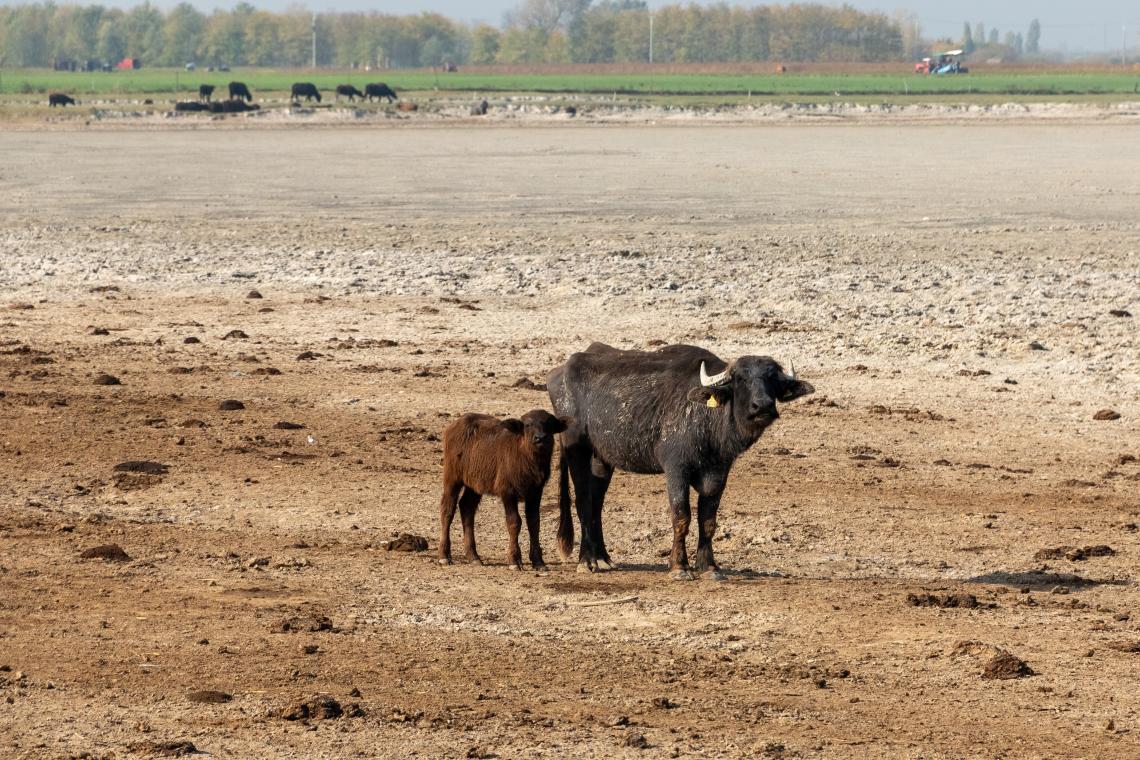
Traditional land use forms, such as grazing by domestic livestock, have been practised in this region for over two millennia. In many places, traditional livestock breeds have been replaced by intensive ones, which are less suitable for grazing in wetland areas. In addition, many pastures have been abandoned or livestock numbers have declined. This has led to denser vegetation and a reduction in species richness.
The restoration of traditional land use (especially grazing) is key to maintaining the structure and biodiversity of salt wetland habitats. The transformation and simplification of habitat structure pose a serious threat to birdlife. Dense, closed reedbeds do not provide suitable breeding and feeding sites for wader species. Previously, mosaic saline habitats – open water surfaces, bare soda patches, salt marshes, and smaller reedbeds – provided diverse habitats suitable for many bird species. The loss of this diversity has led to a decline in bird species numbers and populations of several priority species, such as the black-tailed godwit, common redshank, garganey, and common pochard.
3. Decline in the breeding success of priority bird species
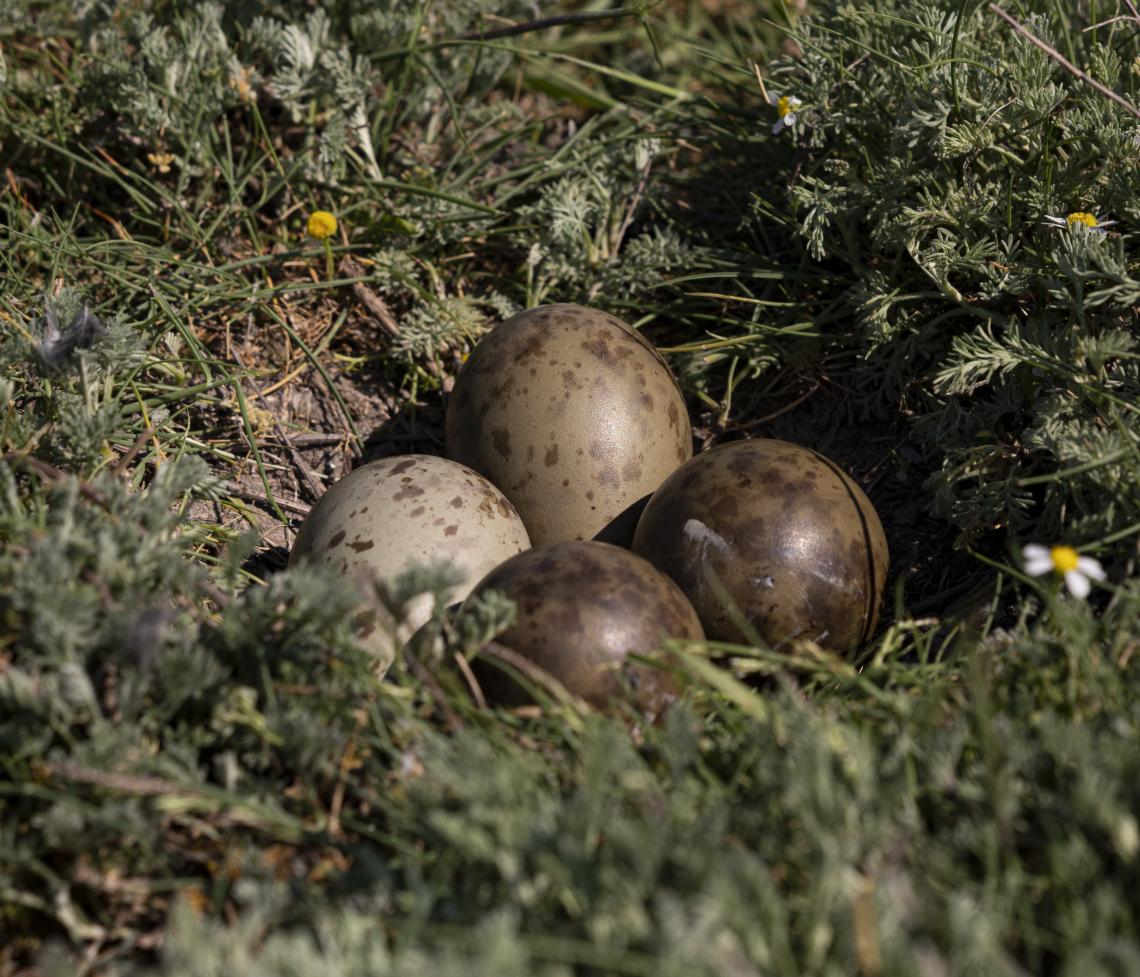
An important indicator of the ecological condition of Pannonian salt steppes and marshes is the breeding success of characteristic bird species. Predators’ populations increasing nowadays, which significantly reduce the breeding success of ground-nesting birds. The most frequent predators like red fox, golden jackal, badger, hooded crow, and magpie, are particularly increasing in eastern Hungary. In addition, invasive alien predators such as the raccoon dog and raccoon have appeared, posing a particular threat to protected wader species. Wild boar is also common in wetlands and may consume the eggs of ground-nesting birds.
Predation is especially dangerous during the breeding season, as it directly reduces nest survival. Therefore, proper habitat management alone is no longer sufficient to protect rare bird species of sodic wetland habitats. Predator control and nest protection measures are also essential. Another challenge is that although grazing is important for maintaining suitable habitats, large-bodied animals (e.g. cattle, buffalo) may accidentally trample the nests of ground-nesting birds, further reducing breeding success.
4. Decline in the number of saline wetlands
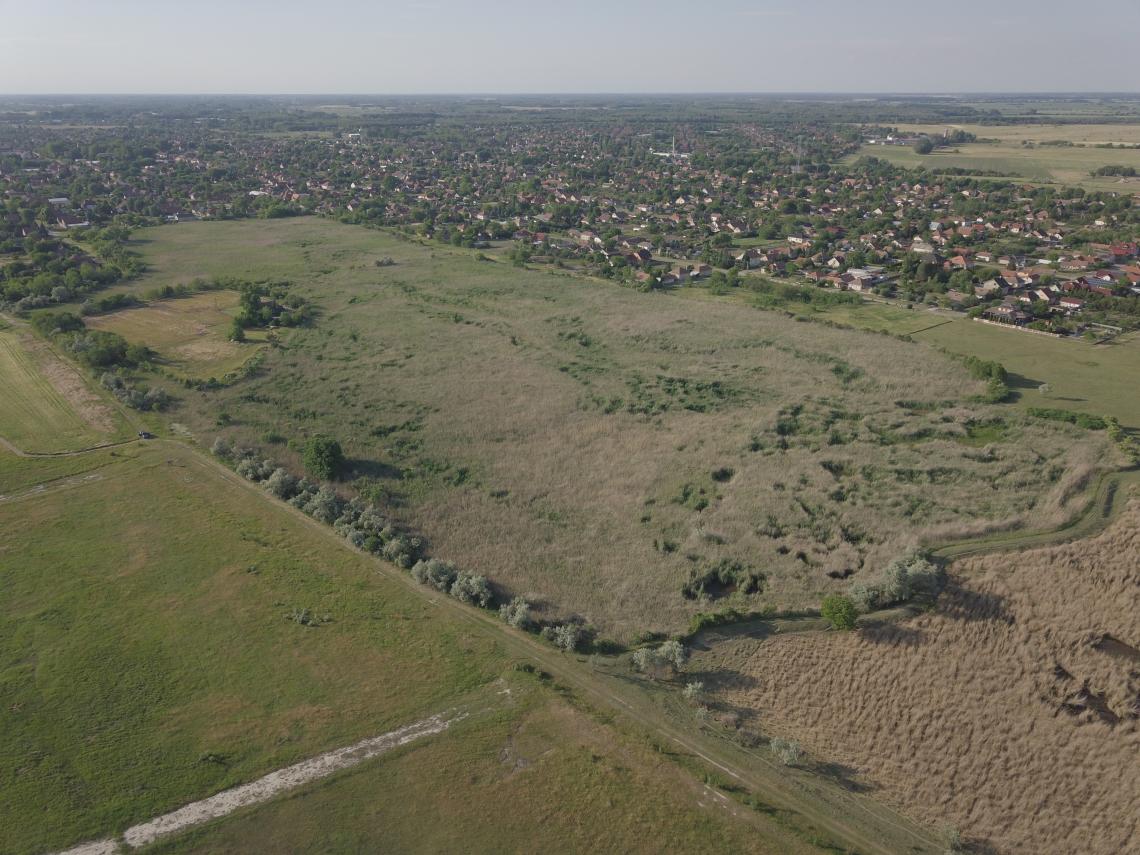
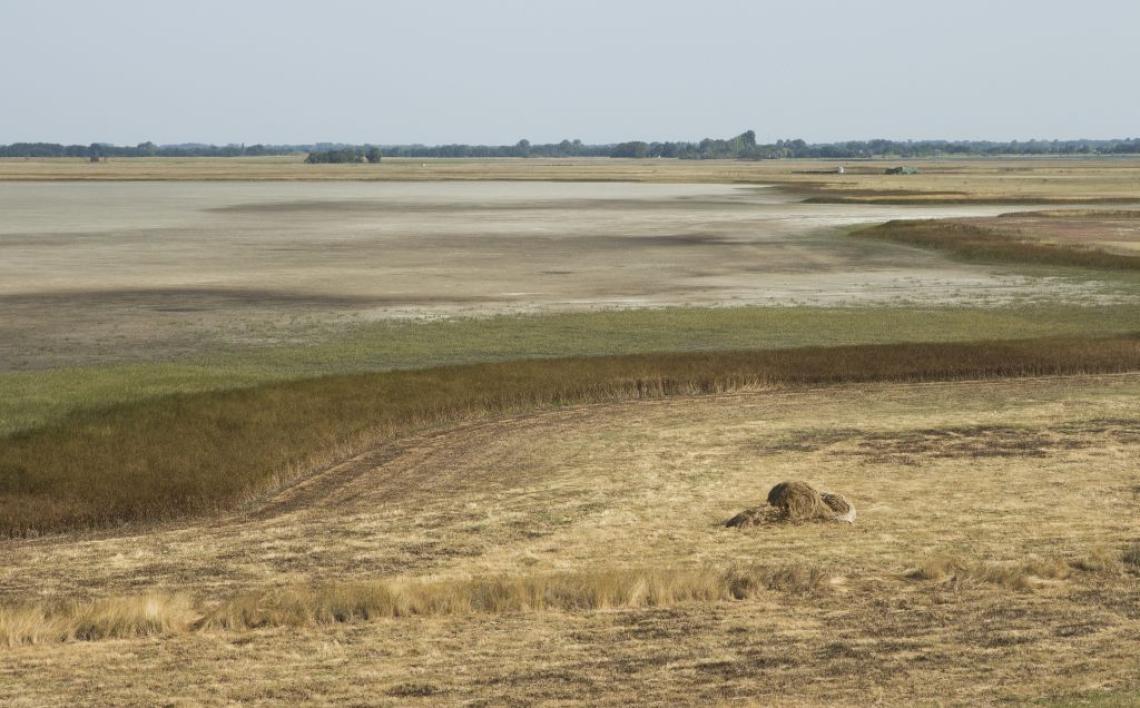
Globally, wetland areas decreased by about 35% between 1970 and 2015, and the rate of loss has accelerated since 2000. This process is also observed in the case of Pannonian salt steppes and marshes. Due to water scarcity and lack of proper management, many former wetlands dry out and turn into grasslands. As a result, not only the total area but also the number of salt wetlands is decreasing.
In nature conservation, not only the size of habitats but also their number and spatial distribution are crucial. Several smaller, separate habitat patches can collectively support greater species richness than a few larger areas. Although larger habitats can support more individuals, they are less resilient to unexpected events such as diseases (e.g. botulism) or extreme weather events (storms, hail). Due to climate change, such events may become more frequent, making the preservation of as many habitat patches as possible particularly important.
5. Illegal waste deposit
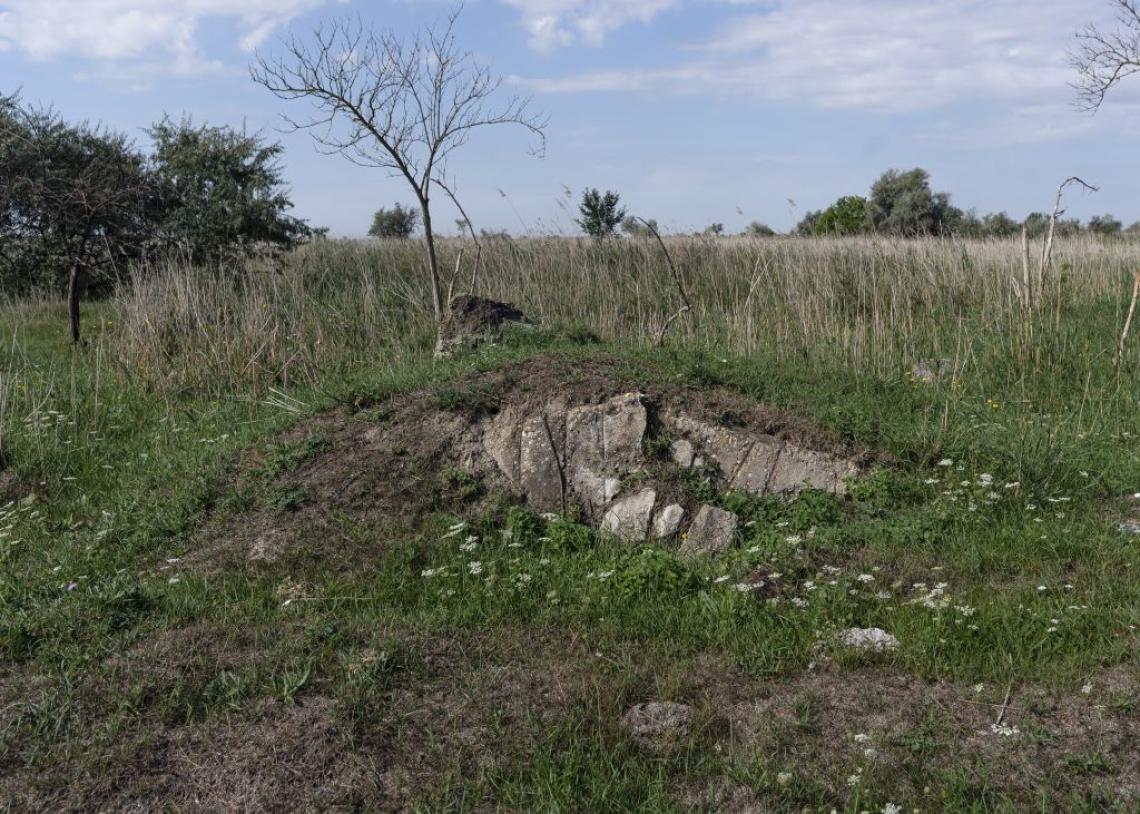
Illegal waste deposits pose a significant threat to our wetlands. Natural wetlands with large reedbeds are often the target of these illegal activities. Due to the illegal waste deposit the aesthetic characteristics of the wetlands are marred, and by extension, the potential ecosystem services for people are compromised. The waste could be harmful to the natural fauna, and significant concrete elements can even harm the grazing animals. The situation is exacerbated by the fact that small municipalities in the area do not have enough financial resources to eliminate the illegal waste already present on the project sites.
6. Increasing fire risk
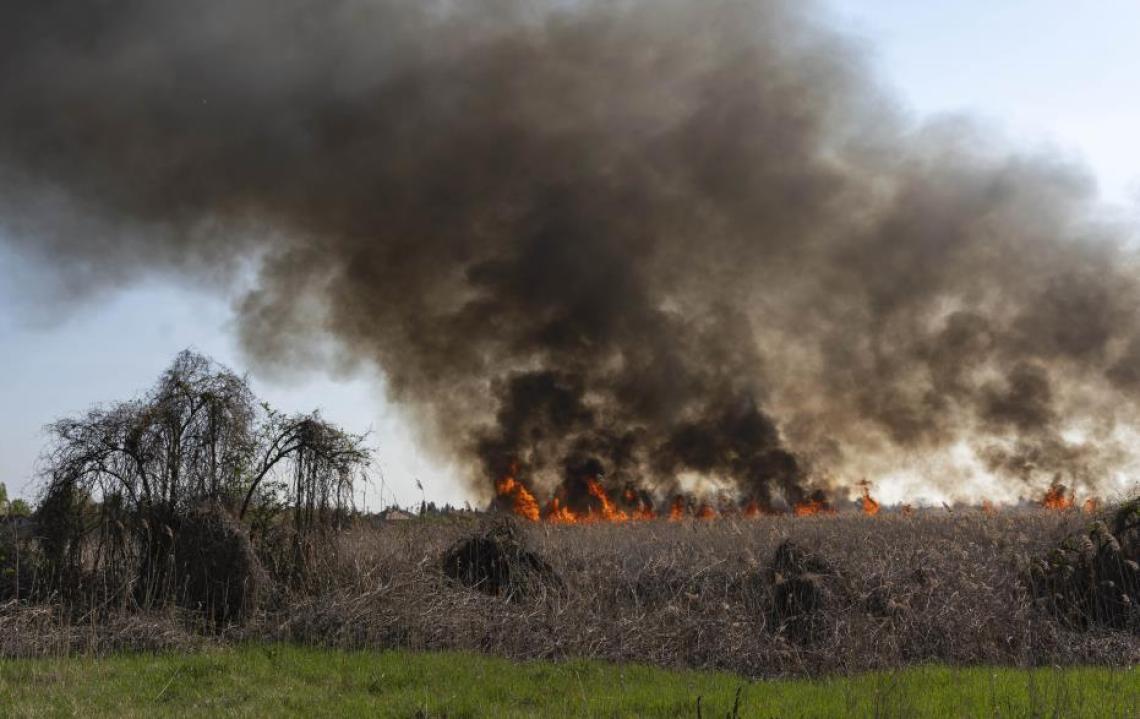
The drying of wetlands can lead to the accumulation of large amounts of dry plant material, increasing the likelihood of accidental fires. These events can damage wildlife, especially if they occur during the reproductive season. They may also threaten property and even human life, while the burning of reedbeds releases large amounts of carbon dioxide into the atmosphere.